I was fascinated to learn about A.C. Gilbert and his dedication to his Erector Sets. The way he invented so many types of maker sets and even created his own magazine to publicize the value of making and tinkering is incredible. I think that his work led to the proliferation of hands-on, experiential activities for children, but it was also clearly motivated by financial gain. As a salesman, Gilbert's main goal was to sell and although his products were actually great, he used lies and hyperbole to sell them. The economics of maker sets is still an issue today as many companies sell pre-packaged kits that result in a product, but do not extend far beyond that, unless you buy another kit.
I also found it interesting that the introduction of "physical computing with Arduino and other microcontrollers, low-cost 3D printers
and cutters, and programming" have had such an influence on the making revolution. I am especially interested in the implications of accessible 3D printers because I think that they may be the answer to the limited scope of maker kits. Although maker kits only really allow you to create one project, the use of 3D printers would allow you to reuse the components of a maker kit in new ways. Once you are exposed to the technology included in the maker kit, you will inevitably have your own ideas for its other uses. 3D printers will allow you to design and create materials that can make your ideas a reality.
Thursday, April 28, 2016

Wednesday, April 27, 2016
HW13.4 Blog Makeover
My blog is perfect the way it is, I put a lot of effort into it earlier in the semester.
Tuesday, April 26, 2016
HW13.2.2 Maker Artist Research: Wendell Castle
Wendell Castle is an artist who designs uniquely looking and uniquely useful furniture. The pieces are highly stylized and comprised of flowing shapes and forms. As a maker, he used creative tricks to solve his design difficulties, such as using many smaller pieces of wood to create an object that looks like it is carved from one large piece. Each of his works is useful to its owner, sometimes they even have two uses. Some of his chairs have attached tables that can be used by the sitter or by someone in a separate seating area. He also created a chamber in which someone can seclude themselves with an attached light to signal their presence. His works highlight the craft used in their creation and exemplify the making process.


Sources:
http://madmuseum.org/exhibition/wendell-castle-remastered#
HW13.2.1 Maker Artist Research: Michael Rackowitz
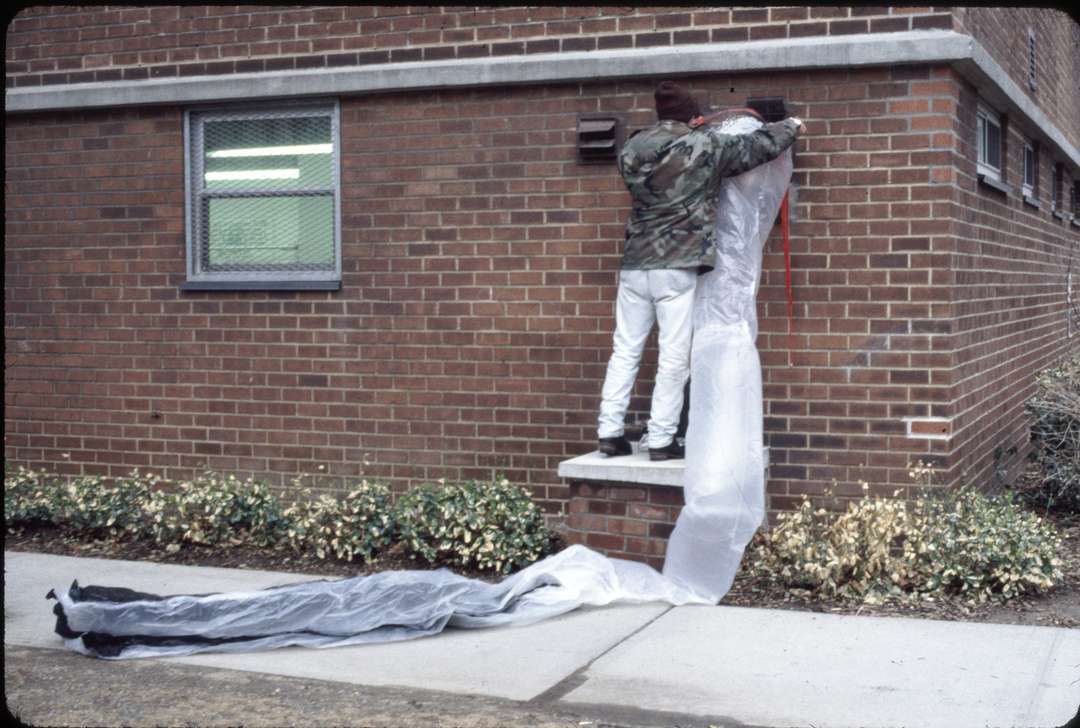
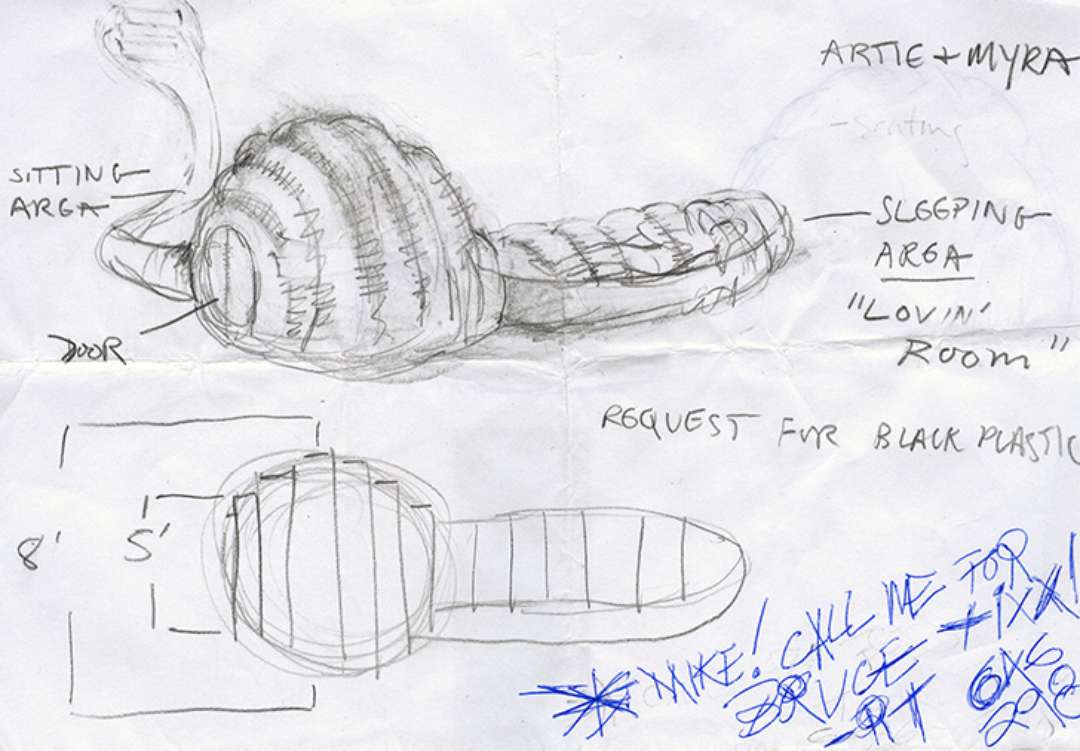
Michael Rackowitz is an artist who designs and creates shelters for people without homes. The shelters are made of plastic and tape or heat sealer. Their main structural form is caused by hot air from HVAC vents which inflates the tent-like objects. The air flowing through the shelters also keeps the occupants warm in the bitter cold of winter. Rackowitz makes each structure specifically to the specifications of the future inhabitant and each one is unique. He is a maker because he is using art and design in a clever way to solve a problem while also highlighting the aesthetic qualities of the forms.


Sources:
http://architizer.com/blog/michael-rakowitz-parasite/
http://www.michaelrakowitz.com/parasite/
HW13.1 Recipe

I was not able to attend the workshop last week, but I am fascinated by the idea of "recipes." My recipe was created to help me to remember to meditate. I practice meditation, but it is difficult to remember to take the time every day and I can often become distracted by other priorities. My recipe is triggered when I have an event in my calendar with the word "meditation" in it. I will have to schedule all of my meditations ahead of time. When the scheduled calendar event begins, my phone will begin to play soothing music. This will automatically remind me to meditate and put me in the right mood to relax and put aside my other work. I think it is very useful and slightly ironic, since meditation is often about distancing yourself from electronics and the internet and focusing on your physical and mental needs. In this case, however, the two work together well.
Wednesday, April 20, 2016
HW12.1 Basic Circuit Greeting Card
I used basic circuits to create a card for my mom for Mother's Day. One of our favorite songs is 'You Are My Sunshine' so I used the lyrics of the song in the card and created images to accompany them. The basic circuitry allowed me to add LEDs to the lightning bolt of the "grey skies" within the card.
- Poke both LEDs through the paper.
- Spread the cathode and anode (the two wires of the LED) apart and flatten them on either side. Make sure that the cathodes of both LEDs are on one side and the Anodes of both LEDS are on the other side.
- Lay down a strip of conducting tape over the Cathodes.
- Lay down a strip of conducting tape over the Anodes, but leave a 1 inch section of tape open at the bottom.
- Attach a battery to the 1 inch section of Anode conducting tape.
- Bend the Anode conducting tape so that the battery touches the cathode conducting tape.
- The LEDs should light up when the battery connects the two tapes, this is a switch.


Although I thought this was an interesting process, I did not like the act of making a project specifically to use basic circuits. It felt stifling. I would rather add basic circuits to a project that I was already invested in and that I thought could be improved by LEDs, etc.
Subscribe to:
Posts (Atom)