Tuesday, April 26, 2016

HW13.2.2 Maker Artist Research: Wendell Castle

Wendell Castle is an artist who designs uniquely looking and uniquely useful furniture.  The pieces are highly stylized and comprised of flowing shapes and forms.  As a maker, he used creative tricks to solve his design difficulties, such as using many smaller pieces of wood to create an object that looks like it is carved from one large piece.  Each of his works is useful to its owner, sometimes they even have two uses.  Some of his chairs have attached tables that can be used by the sitter or by someone in a separate seating area.  He also created a chamber in which someone can seclude themselves with an attached light to signal their presence.  His works highlight the craft used in their creation and exemplify the making process.


Sources:
http://madmuseum.org/exhibition/wendell-castle-remastered#

HW13.2.1 Maker Artist Research: Michael Rackowitz

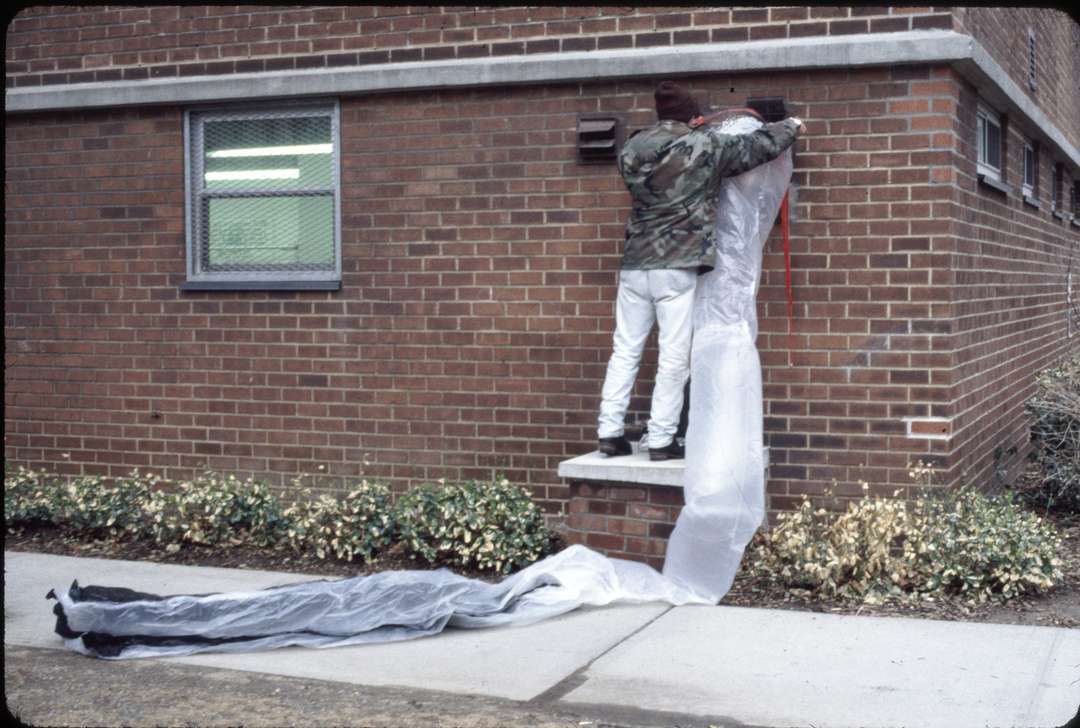
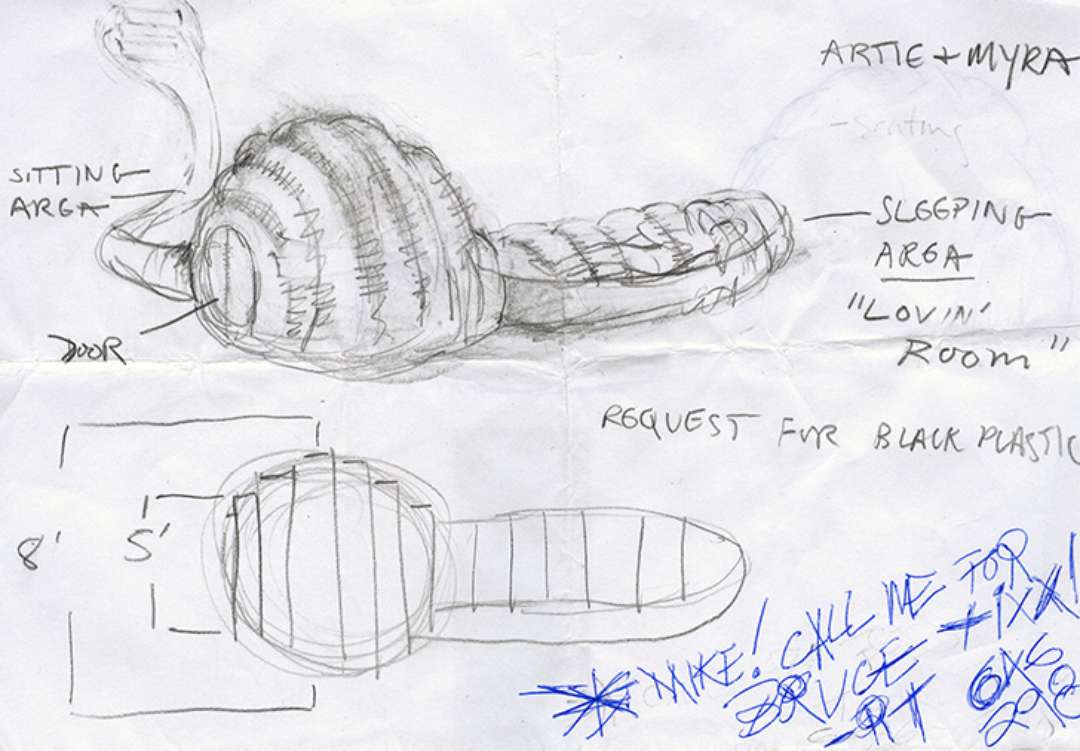
Michael Rackowitz is an artist who designs and creates shelters for people without homes.  The shelters are made of plastic and tape or heat sealer.  Their main structural form is caused by hot air from HVAC vents which inflates the tent-like objects.  The air flowing through the shelters also keeps the occupants warm in the bitter cold of winter.  Rackowitz makes each structure specifically to the specifications of the future inhabitant and each one is unique.  He is a maker because he is using art and design in a clever way to solve a problem while also highlighting the aesthetic qualities of the forms.  


Sources:
http://architizer.com/blog/michael-rakowitz-parasite/
http://www.michaelrakowitz.com/parasite/

HW13.1 Recipe


I was not able to attend the workshop last week, but I am fascinated by the idea of "recipes."  My recipe was created to help me to remember to meditate.  I practice meditation, but it is difficult to remember to take the time every day and I can often become distracted by other priorities.  My recipe is triggered when I have an event in my calendar with the word "meditation" in it.  I will have to schedule all of my meditations ahead of time.  When the scheduled calendar event begins, my phone will begin to play soothing music.  This will automatically remind me to meditate and put me in the right mood to relax and put aside my other work.  I think it is very useful and slightly ironic, since meditation is often about distancing yourself from electronics and the internet and focusing on your physical and mental needs.  In this case, however, the two work together well.

Wednesday, April 20, 2016

HW12.1 Basic Circuit Greeting Card

I used basic circuits to create a card for my mom for Mother's Day.  One of our favorite songs is 'You Are My Sunshine' so I used the lyrics of the song in the card and created images to accompany them.  The basic circuitry allowed me to add LEDs to the lightning bolt of the "grey skies" within the card. 
  1. Poke both LEDs through the paper.
  2. Spread the cathode and anode (the two wires of the LED) apart and flatten them on either side.  Make sure that the cathodes of both LEDs are on one side and the Anodes of both LEDS are on the other side.
  3. Lay down a strip of conducting tape over the Cathodes.
  4. Lay down a strip of conducting tape over the Anodes, but leave a 1 inch section of tape open at the bottom.
  5. Attach a battery to the 1 inch section of Anode conducting tape.
  6. Bend the Anode conducting tape so that the battery touches the cathode conducting tape.
  7. The LEDs should light up when the battery connects the two tapes, this is a switch.


Although I thought this was an interesting process, I did not like the act of making a project specifically to use basic circuits.  It felt stifling.  I would rather add basic circuits to a project that I was already invested in and that I thought could be improved by LEDs, etc.

Monday, April 18, 2016

HW12.3 Final Project Idea


When I rolled the dice for my final project, I was dealt PLAY as my theme, DIGITAL DRAWING & PAINTING as my new medium, and SCULPTURE as my traditional medium.  

For my project, I plan to use Photoshop to draw two abstract designs, one in a dark color palette and one in a light color palette. This will be the digital drawing portion of my project.  I will then print my designs onto paper and use that paper to create an origami chess set, with the dark design as the black pieces and the light design as the white pieces.  This will be the sculpture aspect of my project.  I will also probably design a chess board using Photoshop.  The final project will be an interactive work which invites the viewers to play with the chess set, thus highlighting the theme of play.  

HW12.2.1 Physical Computing Artist Research: Theo Kamecke

Theo Kamecke is an artist who uses basic circuits in an alternative way.  Kamecke does not actually create functional circuits to power his work, instead he repurposes circuits as a material for his visual art.  Kamecke is interested in the aesthetic patterns within circuits and views them as continuations of patterns found in nature.  After dismantling circuit boards into their basic components, Kamecke rebuilds them like puzzles into patterns resembling hieroglyphics.  Although the works favor beauty over function, they highlight the ubiquity of computing in the modern age while promoting circuits to the level of art.


Source:
http://www.theokamecke.com/artiststatement.php

HW12.2.2 Physical Computing Artist Research: Jim Campbell

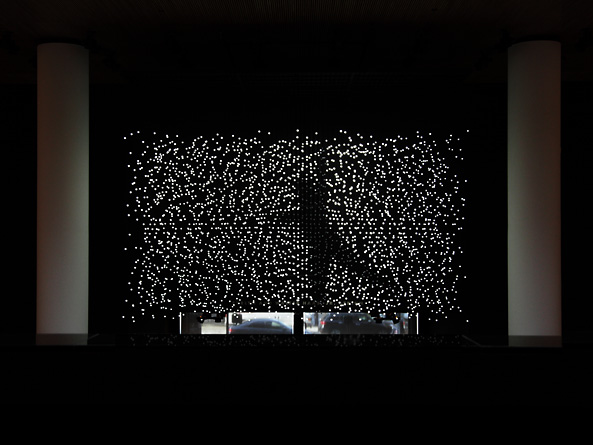
Jim Campbell is an artist that uses physical computing to instill energy and form into light and shadow.  Using over 2000 LED lights, Campbell hung them from a grid using wires to create a 16x20x11 ft canvas of lights.  The entire work was hung from the ceiling in an expansive room so that the lights floated above the heads of viewers.  On their own, the LED lights mimic stars in the nighttime sky and have a delicate randomness in their order.  However, the lights also act as a cinematic screen for playful shadow images.  The LED lights have been programmed to dim and create the outlines of human figures.  The use of negative space in the formation of the figures is an interesting element that adds to the unique three-dimensional LED form.


Source:
http://www.jimcampbell.tv/portfolio/public_art/exploded_views/